 The Villager Newspaper Online Your Community News – Cleveland's Westshore

 High cholesterol is a common but serious health concern impacting millions of Americans. According to the Centers for Disease Control and Prevention (CDC), about 38 percent of adults in the United States have high cholesterol, a condition that significantly increases the risk of heart disease and stroke—two of the leading causes of death in the country. Understanding cholesterol and how to manage it is key to helping maintain heart health.
“Cholesterol is a compound that’s essential for our body’s function,” says Deon Regis, MD, a primary care physician who treats patients at Mercy Health – Oberlin Primary Care. “It helps build cell membranes, produce hormones, and aid in digestion. However, not all cholesterol is created equal, and distinguishing between the good and the bad is vital for reducing your risk of cardiovascular disease.”
Cholesterol is categorized into two types:
- High-Density Lipoprotein (HDL): Known as “good” cholesterol, HDL helps remove other forms of cholesterol from the bloodstream. Higher levels of HDL are linked to a lower risk of heart disease.
- Low-Density Lipoprotein (LDL): Often referred to as “bad” cholesterol, LDL can contribute to the buildup of fatty deposits in the arteries, leading to heart attacks and strokes.
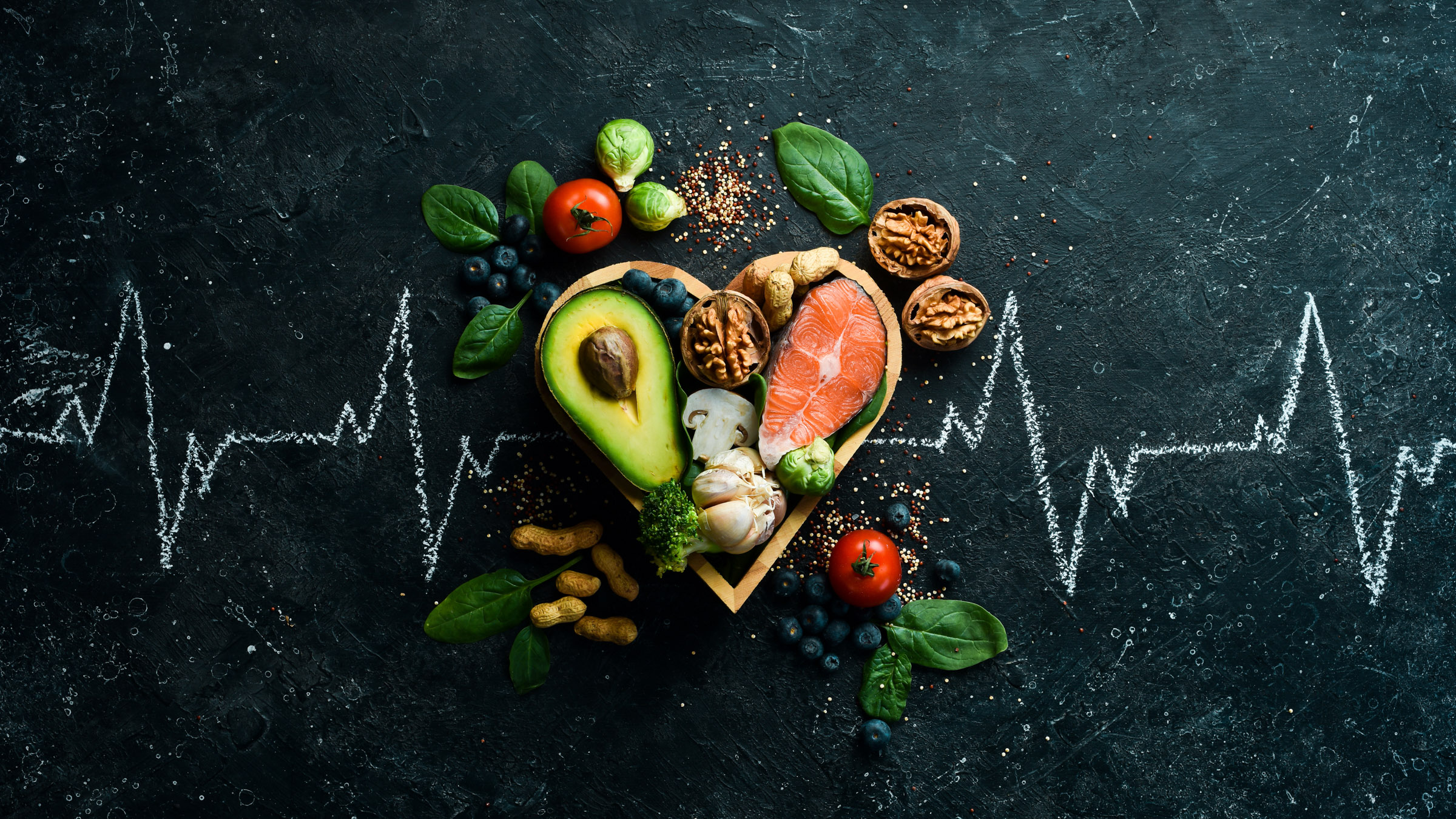
While cholesterol is partly produced by the body, about 20 percent comes from the food we eat. Mercy Health providers recommend a heart-healthy diet to help manage cholesterol levels. “I advise my patients to focus on a diet low in saturated fat and rich in fruits, vegetables, and healthy fats, like olive oil,” says Dr. Regis. “Incorporating foods like whole grains, lean proteins, and fiber-rich fruits and vegetables can lower LDL cholesterol and provide other heart benefits.”
In addition to diet, exercise and physical activity is key to raising HDL and lowering LDL cholesterol levels. Mercy Health providers recommend at least 150 minutes of moderate intensity exercise each week, such as brisk walking or cycling. The goal is to make exercise an integral part of your lifestyle.
When Diet and Exercise Aren’t Enough
For some individuals, genetic factors may lead to high cholesterol levels that cannot be managed by diet and exercise alone. In these cases, medication might be necessary. “Statins are the most commonly prescribed drugs for lowering cholesterol,” says Dr. Regis. “They are highly effective, although some patients may experience side effects. For most individuals, the benefits far outweigh the risks, particularly for those at high risk for heart disease.”
The Importance of Routine Screening
High cholesterol is often referred to as a silent condition because it typically does not present symptoms until significant damage has occurred. Routine screening is critical for early detection and management of high cholesterol. It is key to discuss with your healthcare provider how often you should be screened based on your personal risk factors.
By understanding the differences between good and bad cholesterol and taking a proactive approach to managing your cholesterol levels, you can significantly reduce your risk of heart disease and stroke. Consult with your healthcare provider to develop a personalized plan that fits your health needs.
For more information about the health care services offered by Mercy Health, visit mercy.com.
The Mercy Health – Lorain 2025 Community Health Needs Assessment (CHNA) survey is open. Conducted every three years in partnership with local organizations, this survey identifies the most pressing health concerns in Lorain County. Anyone aged 18 or older who lives or works in Lorain County is invited to participate. Take the survey here: https://www.surveymonkey.com/r/MercyHealthLorain.
 About Mercy Health – Lorain
Mercy Health – Lorain is part of Bon Secours Mercy Health, one of the 20 largest health systems in the United States and the fifth-largest Catholic health system in the country. The ministry’s quality, compassionate care is provided by more than 60,000 associates serving communities in Florida, Kentucky, Maryland, New York, Ohio, South Carolina, and Virginia, as well as throughout Ireland. Bon Secours Mercy Health provides care for patients more than 11 million times annually through its network of more than 1,200 care sites, which includes 49 hospitals. In 2023, BSMH provided more than $600 million dollars in community investments across five states, ensuring that cost is not a barrier to health care for our patients in need. Locally, Mercy Health – Lorain is a full-service, not-for-profit, integrated health care system, which has been providing quality health care to Lorain County and surrounding communities for more than 125 years. The health system provides inpatient, outpatient, and ancillary services through its two hospitals, Mercy Health – Lorain Hospital and Mercy Health – Allen Hospital in Oberlin; Mercy Health Physicians; and specialized facilities, including the Mercy Health – Cancer Center, and Mercy Health – Outpatient Rehabilitation and Therapy. The mission of Mercy Health – Lorain is to extend the compassionate ministry of Jesus by improving the health and well-being of our communities and bring good help to those in need, especially people who are poor, dying and underserved. For more information, visit Mercy Health online at www.mercy.com.