 The Villager Newspaper Online Your Community News – Cleveland's Westshore


A row of sycamore trees in Bay Village
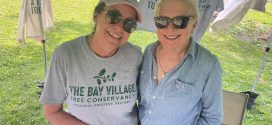
The Bay Village Tree Conservancy, By Walter Topp
Conservation organizations, local governments, and concerned property owners across the United States are working to preserve and restore tree canopies in their communities.
Made up of the spreading branches of the tallest trees, healthy tree canopies can lower summertime temperatures, reduce flooding, limit air pollution, dampen noise, and provide habitat for insects, birds, and small animals.
In Bay Village the citizen-led Bay Village Tree Conservancy provides information, advice, and financial assistance to property owners who want to care for their trees or plant new canopy trees.
But what is a canopy tree?
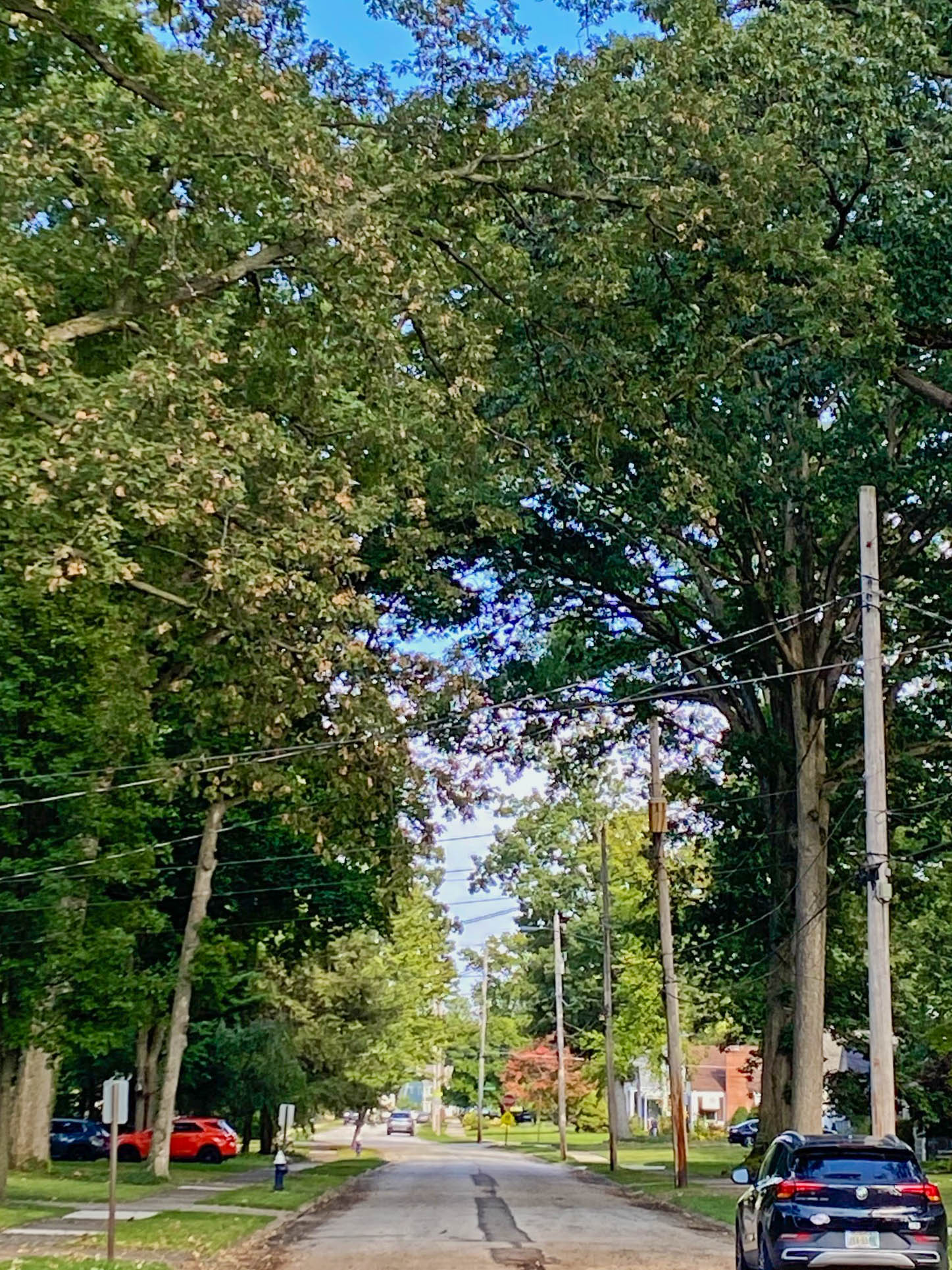
Canopy trees are the tallest, densest trees in the forest or in your neighborhood. They are characterized by their spreading crowns, their substantial height (often over 45 feet), and their ability to create cool shady places.
-
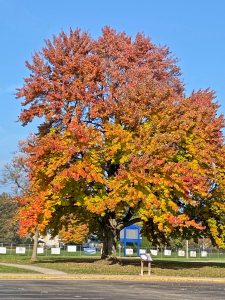
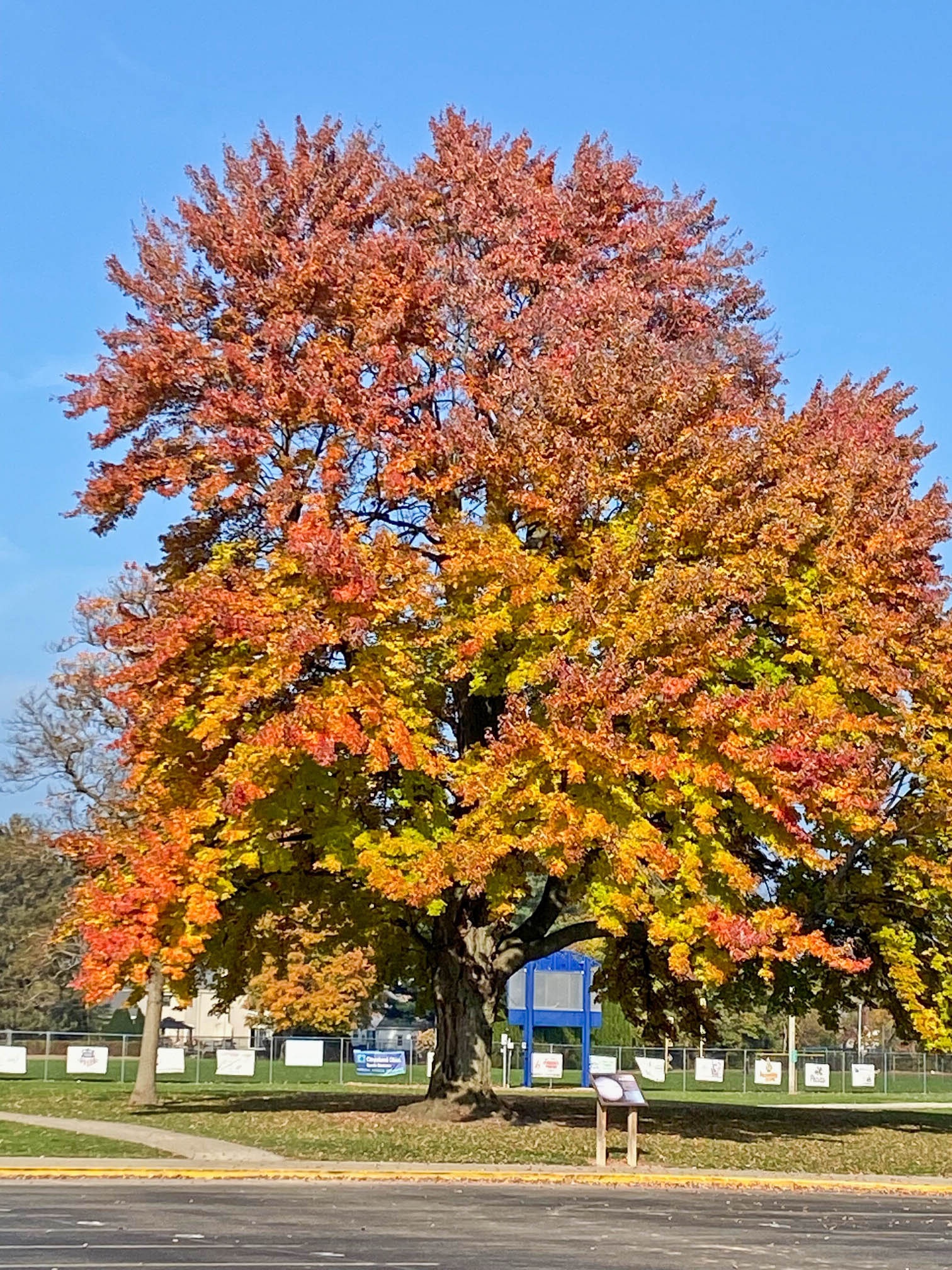
- Fall colors
-
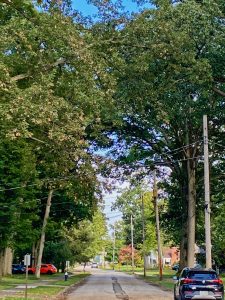
- Mature oaks shade a residential street in Bay Village
 Northern Ohio property owners wishing to replace or install a canopy tree have a large number of tree species to choose from, said arborist Sean Fenton of Bartlett Tree Experts. Among the species that do well as canopy trees, said Fenton, are red oaks, tulip poplar, sycamore, London plane, red maple, sugar maple, and cottonwood.
All of these trees are native to Northern Ohio and are thus well adapted to the local climate, weather, soil conditions, and insect and animal life, said Fenton. Selecting a native tree is key, he said.
Being well-adapted to the region, native trees usually require little help from property owners, said Fenton.
With the exception of the tulip poplar, these tall, sturdy trees do not flower, said Fenton.
But while smaller, flowering trees can provide many benefits, they are not as effective in cooling the area around them, reducing flooding, and increasing the value of your property. And, of course, non-native trees of any size should be avoided.
Your selection of an appropriate canopy tree should consider your primary purpose in planting the tree: are you looking for shade or to provide a habitat for wildlife? Do you want a fast-growing tree? Do you want to avoid trees that drop acorns, nuts, or other seed pods? Do you want especially vibrant fall colors? An arborist can help determine what tree is best for your property and can aid in determining the best place to plant a tree.
 Property owners must remember that canopy trees need plenty of room, said Fenton. Keep in mind how large the tree will be several decades from now.
While native trees will usually grow well without intensive help, Fenton recommends that property owners have their trees inspected by a certified arborist once a year.
Early detection of damage that might lead to infection or infestation might save a tree. Even serious tree diseases like oak wilt might be prevented and other disease, like emerald ash borer disease can be treated successfully if identified early.
For information and assistance selecting or planting canopy trees, contact the Bay Village Tree Conservancy at 216-202-0490, or by email at staff@bvtrees.org. Detailed information is also available on the Tree Conservancy’s website: https://www.bvtrees.org/
“The true meaning of life is to plant trees, under whose shade you do not expect to sit.” — Nelson Henderson