 The Villager Newspaper Online Your Community News – Cleveland's Westshore

When considering an assisted living or memory support community for your parents or loved ones, there’s an important difference between not-for-profit and for-profit communities. Mission-based not-for-profits have many benefits that residents and their families like. Not-for-profit assisted living facilities are not run to generate a profit. Any money left over after expenses is reinvested into the community to meet the needs of the residents.
There are numerous benefits of not-for-profit communities. Understanding these benefits can empower you to decide on the best living situation for your loved ones.
- Many workers at not-for-profit communities see their work as a calling. They approach their work with a compassionate, residents-first mindset, with quality care and services paramount, and they work to ensure each resident lives their best life.
- Studies bear this out. Not-for-profit communities are regularly rated as providing higher quality care than for-profit organizations. They reinvest surplus revenue to ensure their communities have access to superior services, staff training, and ongoing community improvements.
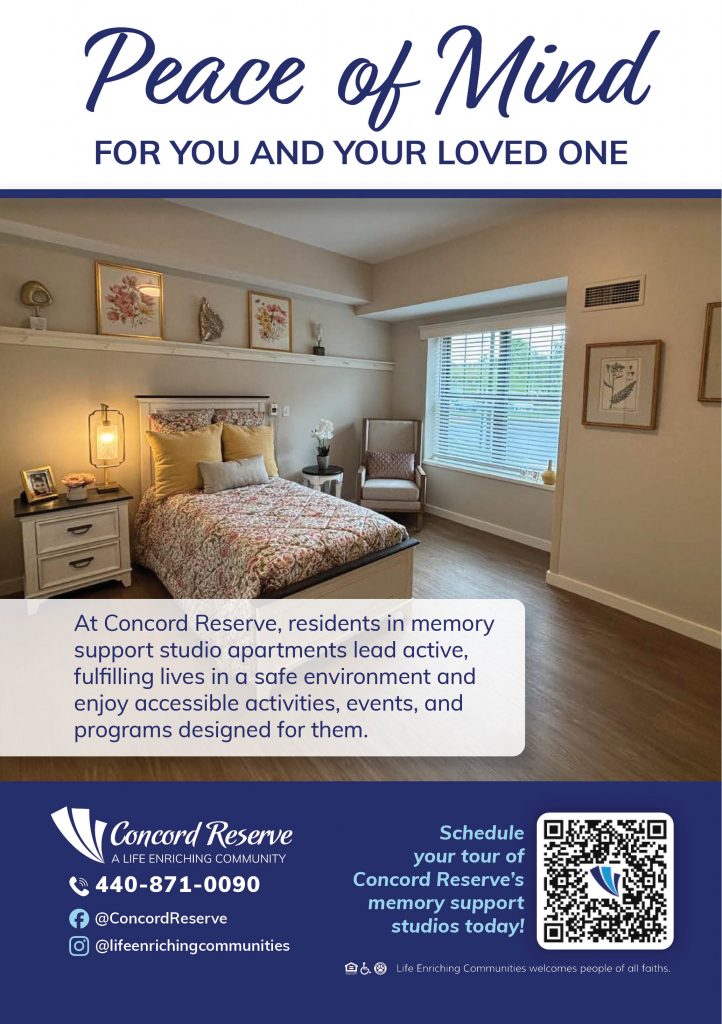
- Concord Reserve, for example, invested in a complete assisted living and memory support renovation, creating luxury apartments for the residents who live there.
It’s best to tour communities you are considering. While touring, you will get a sense of what your loved one’s day will be like, whether in assisted living or assisted living memory care. Assess the appropriateness of the community for your loved one. Is it clean? Does it appear to be well-run? Once you determine if the community is a good fit for your loved one, you can make an informed decision.
LEC is a not-for-profit Christian organization affiliated with the West Ohio Conference of the United Methodist Church. It is passionate about senior living and respects residents’ individual preferences and desired lifestyles. Residents live in vibrant communities with independent, assisted, nursing, and aging-in-place options, innovative programs, and access to superior services whenever needed.