 The Villager Newspaper Online Your Community News – Cleveland's Westshore

By Sean Fenton, Certified Arborist, Bartlett Tree Experts
As a certified arborist with Bartlett Tree Experts, I regularly work in Bay Village and the surrounding communities. Over the past several seasons, I have seen two problems that deserve homeowners’ attention: box tree moth affecting boxwoods and oak wilt affecting oak trees.
Both can cause significant damage, and early identification is one of the most important steps homeowners can take to protect their landscapes.
Box Tree Moth: A Rapidly Moving Threat to Boxwoods
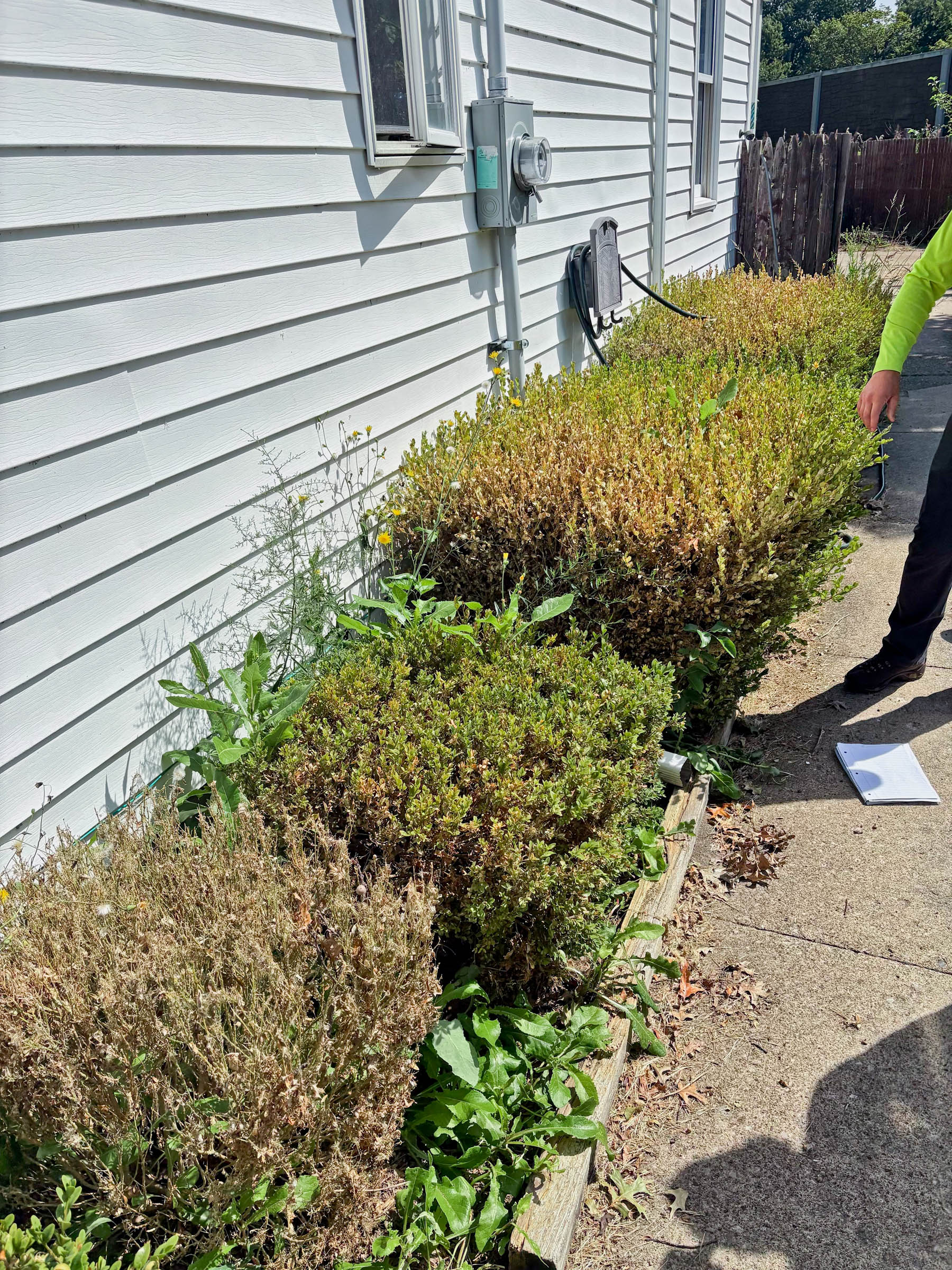
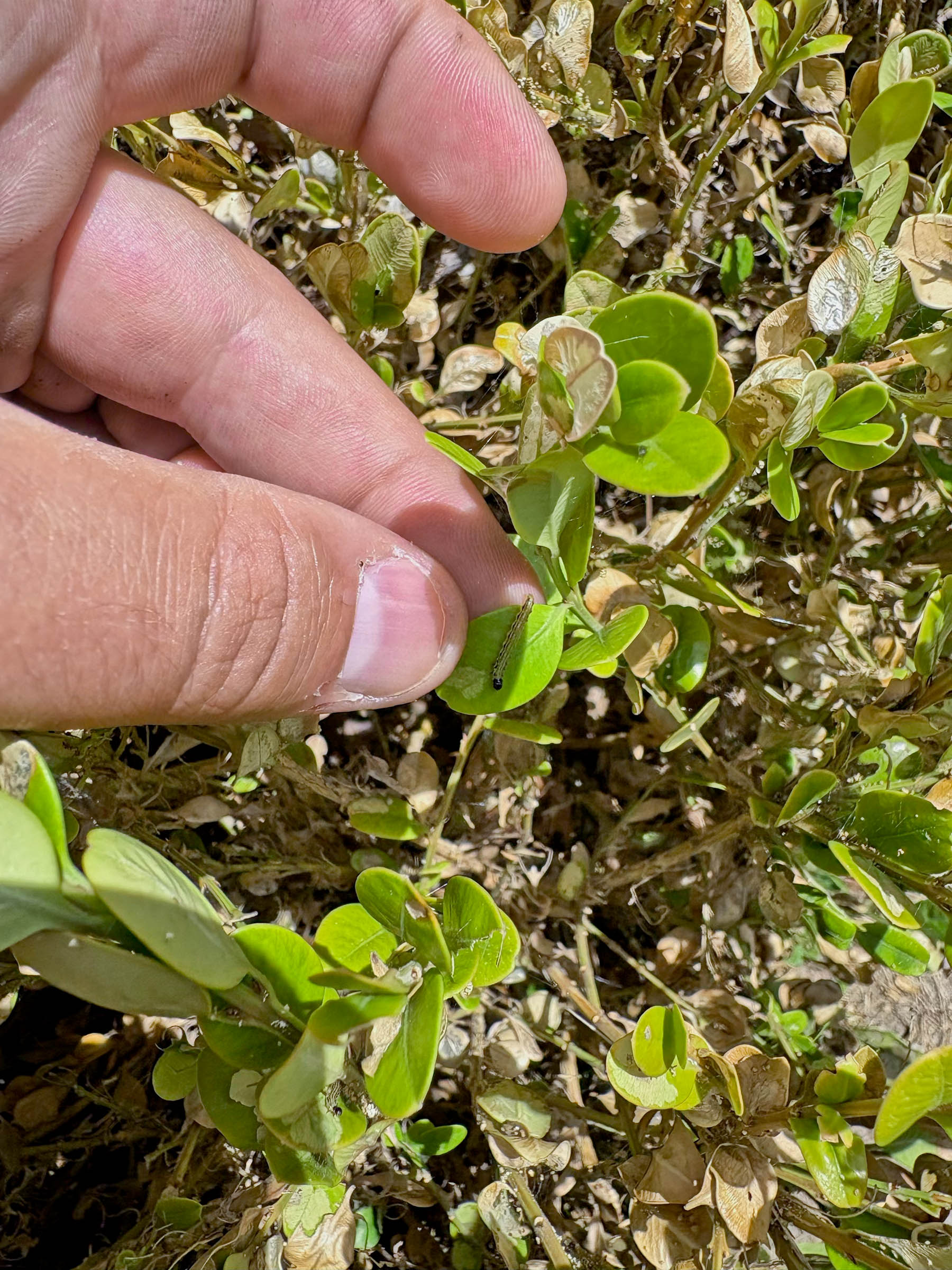 Box tree moth is an invasive pest that can cause extensive damage to boxwood shrubs in a short period of time. The caterpillar is responsible for most of the damage, feeding on the foliage and sometimes leaving plants severely defoliated within days.
One challenge is that box tree moth can produce multiple generations during the growing season. Even after an infestation has been treated, homeowners should continue monitoring their boxwoods for additional activity.
Signs of box tree moth may include:
- Caterpillars feeding on the foliage
- Significant leaf loss or bare branches
- Silk webbing throughout the plant
- Frass, or caterpillar droppings, on leaves or around the base
- Browning or declining foliage following heavy feeding
Because infestations can develop quickly, homeowners should not wait until their boxwoods are severely damaged before taking action.
If you suspect box tree moth, consider contacting a certified arborist to evaluate the plants and discuss appropriate treatment options. Homeowners who choose to treat the problem themselves should use only products specifically labeled for caterpillar control on ornamental trees and shrubs and carefully follow all label directions, including application timing and precautions for pollinators and beneficial insects.
Most importantly, regular monitoring is essential throughout the growing season.
Oak Wilt: A Serious Disease of Oak Trees
 Oak wilt is another concern for homeowners in our area. Unlike an insect infestation, oak wilt is a vascular disease that interferes with an oak tree’s ability to transport water. Once established, the disease can progress rapidly and may result in tree decline or death.
Because there is no simple cure for an oak tree that has become infected, prevention and early management are extremely important.
One of the most important things homeowners can do is understand when oak trees should be pruned. Oak wilt can spread when fungal material is carried to fresh wounds on oak trees. For this reason, oak pruning is generally best performed during the dormant season, when the risk of disease transmission is lower.
Homeowners should also be cautious about activities that can create wounds on oak trees during higher-risk periods, including storm damage, construction and improper pruning. If an oak is damaged or needs attention, consult an arborist to determine the safest approach.
Prevention Is the Best Strategy
 Once oak wilt becomes established, management can be complicated and treatment options are limited. Preventive fungicide injections are one tool arborists may consider for protecting valuable, healthy oak trees when disease risk is significant. Depending on the circumstances, treatments may need to be repeated periodically.
However, fungicide treatment is only one part of an overall oak wilt management strategy. The best approach is to evaluate the tree, understand the disease risk and develop a management plan before a serious problem occurs.
What Homeowners Can Do
The good news is that homeowners do not have to wait until a tree or shrub is severely damaged before taking action.
For boxwoods, inspect plants regularly during the growing season for caterpillars, webbing, feeding damage and defoliation. Early detection can make management much easier.
For oak trees, avoid unnecessary pruning during periods when oak wilt transmission is a concern. If an oak is damaged by a storm or requires pruning, consult a certified arborist about the safest course of action.
Bay Village and the surrounding communities are fortunate to have beautiful mature landscapes, including valuable oak trees and established boxwood plantings. Protecting these plants requires awareness, regular monitoring and proper timing of treatments and maintenance.
Box tree moth can move quickly, while oak wilt can have devastating consequences for oak trees. Knowing what to look for and addressing problems early can make a significant difference.
If you notice unusual damage to your boxwoods or oak trees, consider having the plant evaluated by a certified arborist before the problem becomes more difficult to manage.